

Shaping Impactful Counselors and Educators with a Dynamic Online Learning Experience
The faculty and leaders of our Online Master of Education (M.Ed.) in Counseling program cherish the idea of community and believe firmly in preparing future counselors to be mindful of cultural diversity and champions of social justice. Their hope is that every graduate of the online counseling programs will embody these characteristics and implement them in every aspect of their future work.
To aid in these endeavors, faculty members have designed an online student experience for the respective programs that invites participants from across the nation to collaborate with their instructors—and each other—and engage in an immersive learning experience that aligns coursework with personal and professional objectives.
W&M Libraries
Ranked #3 among the nation’s best school libraries,1 the W&M Libraries provide a myriad of electronic sources for online students. From digital databases and academic journals to research guides and bibliography tools, the W&M Libraries help to ensure that you have access to extensive and authoritative materials that can simplify and improve your research and study efforts. Plus, when you have a moment for more leisurely browsing, the library offers online exhibits of various mixed media, including posters, murals, books, letters and more.
A Student’s Perspective
William & Mary Online M.Ed. in Counseling students Mariah Gavano and Susie Hawes share their own personal experiences as online counseling students. Watch the following videos:
Transcript
Parts of the classes that make it more collaborative are our group web calls. We do those weekly depending on the class. You're able to log in and kind of see everyone's face, have group discussions about whatever topics we're talking about during the module. The professors also reach out to you one-to-one if you have any questions about anything, and then there's also group projects. So you go out of your way to reach out to your classmates and end up getting their numbers and texting them and finding out some of them live close to you and forming really strong friendships like I have with a few of my classmates.
And so that really makes me feel like part of the cohort, because you have that academic relationship, but then it forms into a personal relationship as well. Advice I'd give to prospective students to be successful in the program are, first of all, if you have any hesitations, cast them aside. It's gonna be a lot more convenient and easy once you get started. Don't be scared to reach out to the professors or your classmates. Everyone's very friendly and they'll most of the time have the same questions that you do.
I would always be hesitant thinking, am I the only one that's having difficulty with this? And reaching out to my professor or one of my classmates, they'd answer my question right away or say, "I've been receiving that question a lot. Hang on and I'll get you the answer." They respond to all of the assignments that you turn in. They also reach out to you one-to-one at the beginning of each course to let you know when they're available and if you have any questions, that their door is always open. So the feedback that I've received is personal and professional and in a timely manner.
Throughout the program, I've had support from my classmates and my professors. Specifically, one of my classmates, we realized that we lived in the same area from one of our group projects. When we all got into a group text and we were talking about different parts of the project we were going to complete, we started talking about personal information, 'cause scheduling can be an issue at times. We realized that we lived in the same area and we are able to get together for study dates every week, and now she's even invited to my wedding. Once I graduate, I plan to pursue licensure and be a licensed professional counselor. I hope to work with children and adolescents. I wanna be a counselor for kids and teenagers with mental health issues, or I've pursued the medical side. One thing I'm interested in is counseling children who've recently had siblings diagnosed with serious medical issues, such as cancer, or counseling the children themselves who have been diagnosed with serious medical issues.
Transcript
The most challenging part has been time management and figuring out how to balance my roles as a mom, as a wife, as a student, and just as a woman who has interests and motivations and my own personal goals.
I really trusted that institution to provide me with experts in the field who would be my mentors and who I could learn from, and that was critical to me. I don’t think that I would have taken the job to enroll in an online program if I hadn’t felt like I could really trust William & Mary with my time. It’s a really big deal to give over a few years of your life to work toward something, and William & Mary was, you know, what they have to offer is not just a degree that would help me achieve my career goals. It was an experience, and it was the opportunity to cultivate relationships with mentors and people who I have immense respect for.
I came into the experience really not knowing what to expect as an online student. I expected to engage with coursework on a computer. I expected to be in discussions where I typed back and forth with classmates. I’m not sure I expected to learn as much from my classmates as I have on the discussion boards. So many of us have said it’s a way that we get to know one another, and that’s really cool. It’s nice to build relationships through those.
Also, I can’t imagine, even in an in-person program, that we would achieve the depth of discussion on intellectual issues that we are in those written discussion boards. That’s been one of the more surprising factors about what this online program would provide: just how enriching the discussions are and how deep they can go. That has exceeded my expectations about this program in terms of how deep we could go with the material, as well as how much I would learn from my classmates.
I also really appreciate that this program is preparing us with the coursework to be able to move on and pursue my LPC as well, because I also see integrating that into my professional goals as being something that’s really valuable about this program. So I do intend to become a school counselor, as well as begin pursuing my LPC, and, you know, who knows what the future holds.
Prepare to Serve Others as a Licensed Counselor
William & Mary's CACREP-accredited online counseling programs emphasize social justice and cultural responsiveness while preparing you for licensure. Study with attentive faculty mentorship through our flexible online format. Choose the specialized educational path that fits with your professional goals and learn to create positive transformation—one client at a time.
Download our guide to learn more about:
✓ The Online M.Ed. in Counseling program
✓ Paths to licensure
✓ The career outlook for counselors
✓ Faculty in the Online M.Ed. in Counseling program
✓ Admission requirements
✓ The online student experience
This will only take a moment.
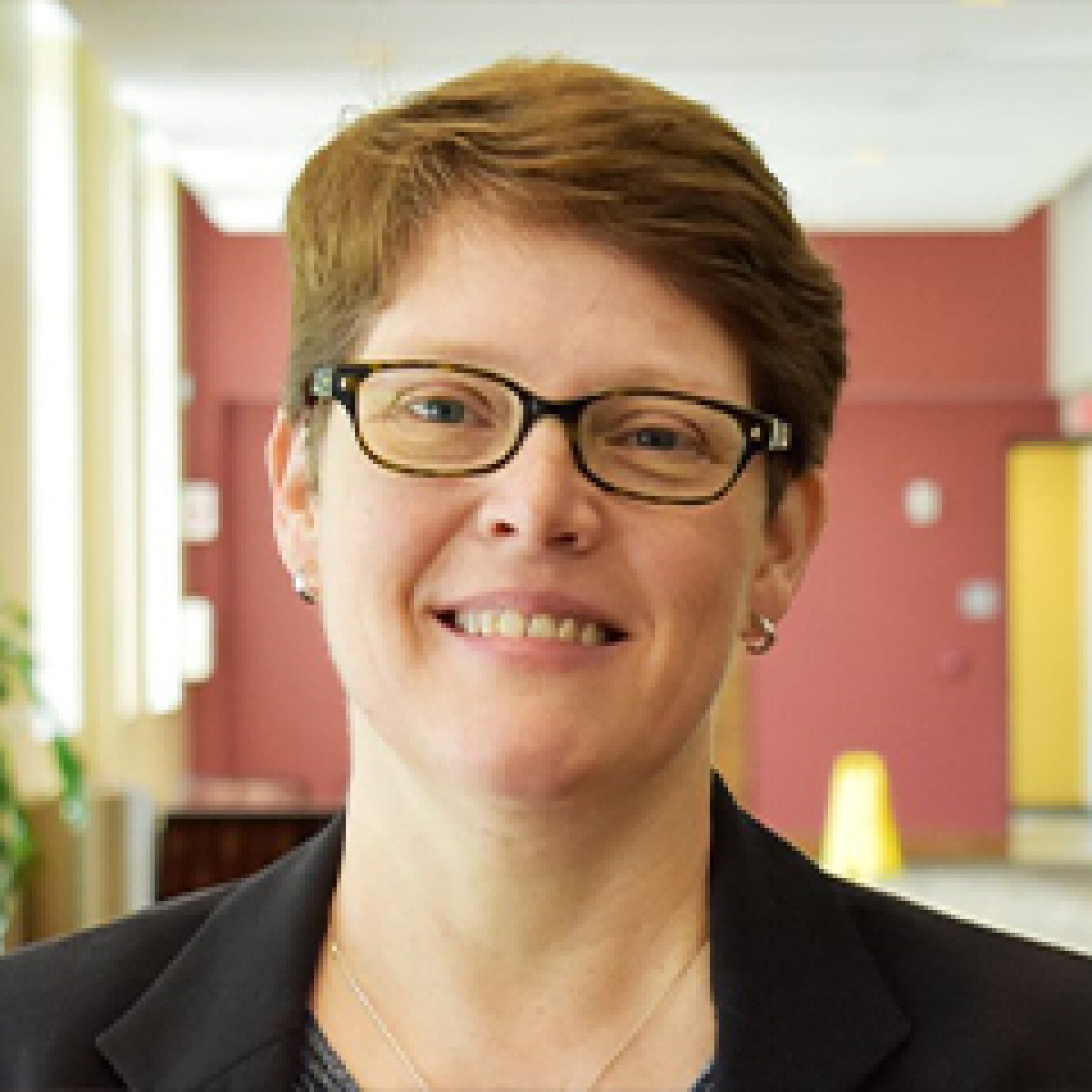
Meet Noelle St. Germain-Sehr, Your Clinical Experience Director
Noelle St. Germain-Sehr is your dedicated resource for clinical practicum and internship placements. In addition to helping you prepare for your placements with orientation sessions, detailed manuals and one-on-one meetings, she ensures that all sites and supervisors meet program and CACREP standards. She is available by email and phone for questions or consultation at any point in the clinical experience placement process.
Dr. St. Germain-Sehr is a Licensed Professional Counselor (LPC), LPC supervisor (LPCS) and National Certified Counselor (NCC) with more than 20 years of experience counseling individuals and groups. She holds a Ph.D. in Counselor Education and Supervision.
Get to Know the Student Ambassador Program
In this unique opportunity, students take the lead in engaging their peers in building a community. Initiatives include meetings for students to:
- Practice their counseling skills with their peers
- Share tips about internship experiences
- Connect with veterans on military-related topics
- Expand their professional networks
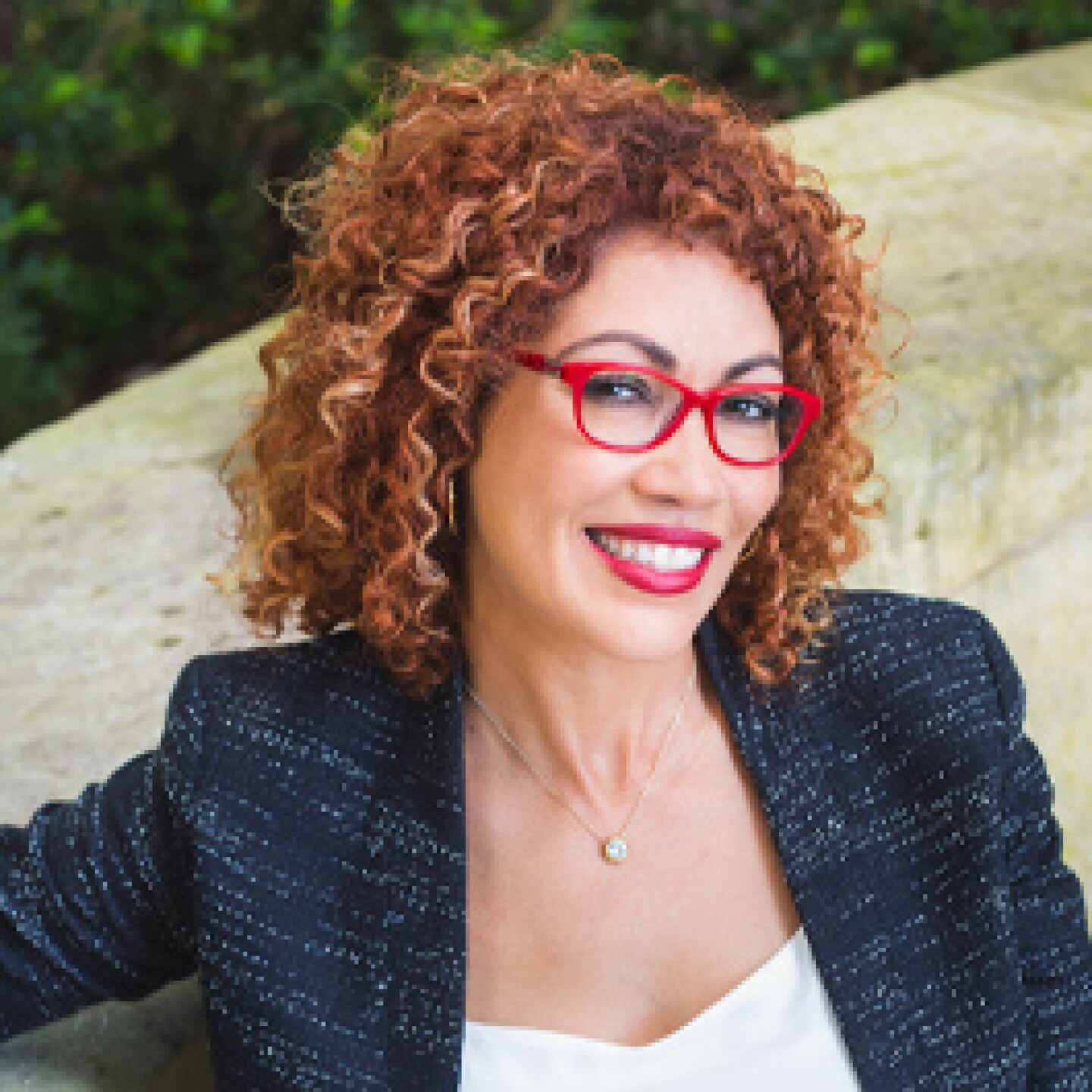
Dr. Solomon is a licensed mental health counselor in the state of Florida, a national certified counselor, a qualified supervisor in mental health counseling, a Gottman Seven Principles Program Educator, and a Mindful Self-Compassion Trainer.
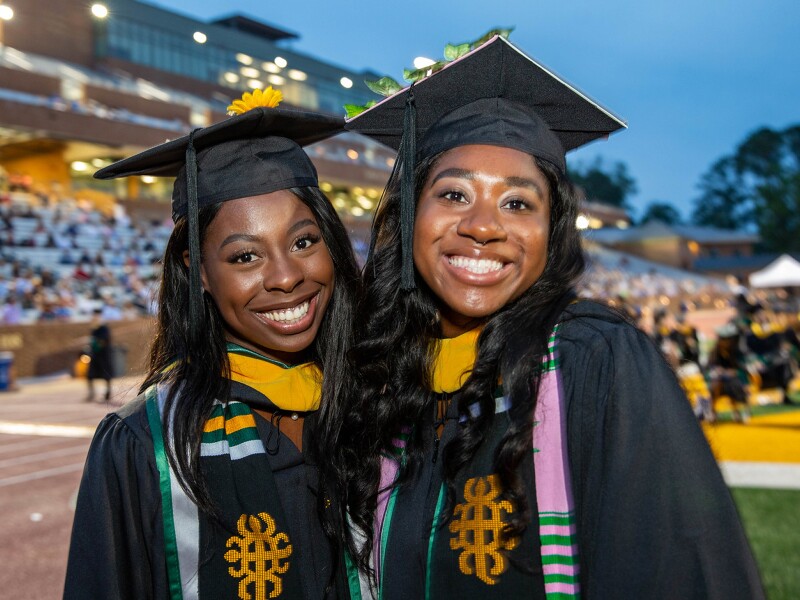
Your Real-World Impact Begins Online
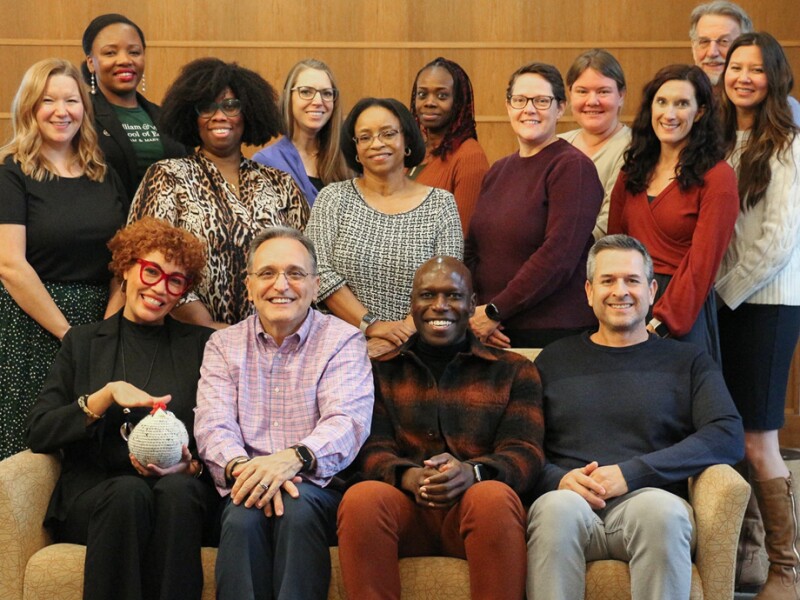
Follow the Leader—And Become One Yourself
Advocate for a More Just Tomorrow
Interested in Our Online Programs?
* May 1 is the final application deadline for the Clinical Mental Health concentration and the priority application deadline for the School Counseling concentration and the Clinical Mental Health Military & Veteran Counseling specialization. July 3 is the final application deadline for the School Counseling concentration and the Clinical Mental Health Military & Veteran Counseling specialization.
- Retrieved on March 19, 2026, from forbes.com/advisor/education/psychology-and-counseling/best-masters-mental-health-counseling-online/
- Retrieved on March 19, 2026, from princetonreview.com/college-rankings?rankings=best-college-library